

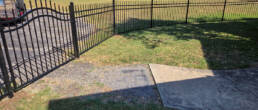
Most homeowners never think to ask how their fence posts are actually being set into the ground, but it’s one of the biggest factors in how long a fence holds up. A fence can look great on installation day and still lean, shift, or fail within a few years if the posts underneath weren’t set to match the specific conditions of the property. Understanding what goes into a properly set post helps you know what questions to ask and what to expect from a quality installation.
Below, we’ll break down what actually affects post stability, why Oklahoma’s soil and weather make this especially important, and how we approach post setting on every fence installation we build. We’ll also cover the questions worth asking any installer, the warning signs of a post that’s already struggling, and simple habits that help protect your investment once the fence is in the ground.
Why Post Depth and Setting Method Matter
A fence is only as stable as the posts holding it up. The boards, panels, or rails attached to those posts are the visible part of the fence, but the posts themselves are doing the real work of keeping everything upright through wind, rain, and years of seasonal ground movement.
Depth Affects Resistance to Movement
A post that’s set deeper into the ground has more surface area in contact with the soil, which gives it more resistance against wind pressure and lateral movement. A shallow post has less to work with, which means it’s more likely to shift over time, especially in exposed areas or during severe weather.
Ground Conditions Change the Equation
Not all soil holds a post the same way. Sandy soil, dense clay, and rocky ground all behave differently once a post is set, and moisture content changes how well soil holds its shape around a post over time. This is a big part of why there isn’t a single “right” depth or method for every property. The right approach depends on what’s actually in the ground.
Why Oklahoma Soil Adds Another Variable
Oklahoma’s clay-heavy soil creates a specific challenge for fence posts that homeowners in other regions don’t always deal with. Clay soil expands when it absorbs moisture and contracts as it dries out, and this cycle repeats throughout the year as the seasons shift between wet and dry stretches.
That expansion and contraction puts real, repeated stress on whatever is set into the ground. A post that was solidly set in the spring can end up loosened by late summer if the surrounding clay has pulled away from it during a dry spell, only to shift again once the rain returns. Over several years, that repeated movement is one of the more common reasons fences start to lean or gates start to drag, even when the original installation looked solid.
Drainage Plays a Role Too
Low-lying areas of a property, or spots where water naturally collects after a storm, put extra strain on fence posts because the soil around them stays saturated longer. If your property has a section that tends to hold water, it’s worth mentioning during your estimate walkthrough so it can be accounted for.
Our Approach: Matching the Method to the Property
Rather than using one standard technique on every job regardless of conditions, we evaluate each property individually and set posts using the method that fits the ground we’re actually working with. Our default approach on most residential jobs is to drive posts roughly 54 inches into the ground, which gives significantly more depth and soil contact than a shallow, lightly set post.
On sites where soil conditions or access call for a different approach, we adjust accordingly rather than forcing a single method onto every yard. The goal isn’t to follow the same process regardless of what’s underground. It’s to match the setting method to what your specific property actually needs, so the fence performs the way it’s supposed to for years, not just for the first season.
What This Looks Like on a Job Site
When we walk your property for an estimate, we’re not just measuring linear footage. We’re also looking at soil type, drainage patterns, slope, and any spots that might need extra attention, like a corner post carrying more load or a gate post that will see frequent use. That assessment shapes how we approach the installation before we ever set the first post.
Does Post Material Make a Difference?
Post setting method matters regardless of what the post itself is made of, but the material still plays a role in how a fence holds up over time.
Wood Posts
Wood posts are the standard choice for most residential privacy fencing and, when properly set and maintained, hold up well for years. Staining and sealing the post along with the rest of the fence helps protect it from moisture absorption, which matters more in a climate with the kind of wet-dry swings Oklahoma sees.
Steel and Metal Posts
For chain link, ornamental, and some gate applications, steel posts are common. Metal posts don’t absorb moisture the way wood does, but they still depend entirely on how deep and how securely they’re set. A steel post set shallow in unstable soil can shift just as easily as a wood post would under the same conditions.
In both cases, the material is only part of the story. Setting depth and method still do most of the work in determining how the post performs over the long run.
How Long Should a Well-Set Post Actually Last?
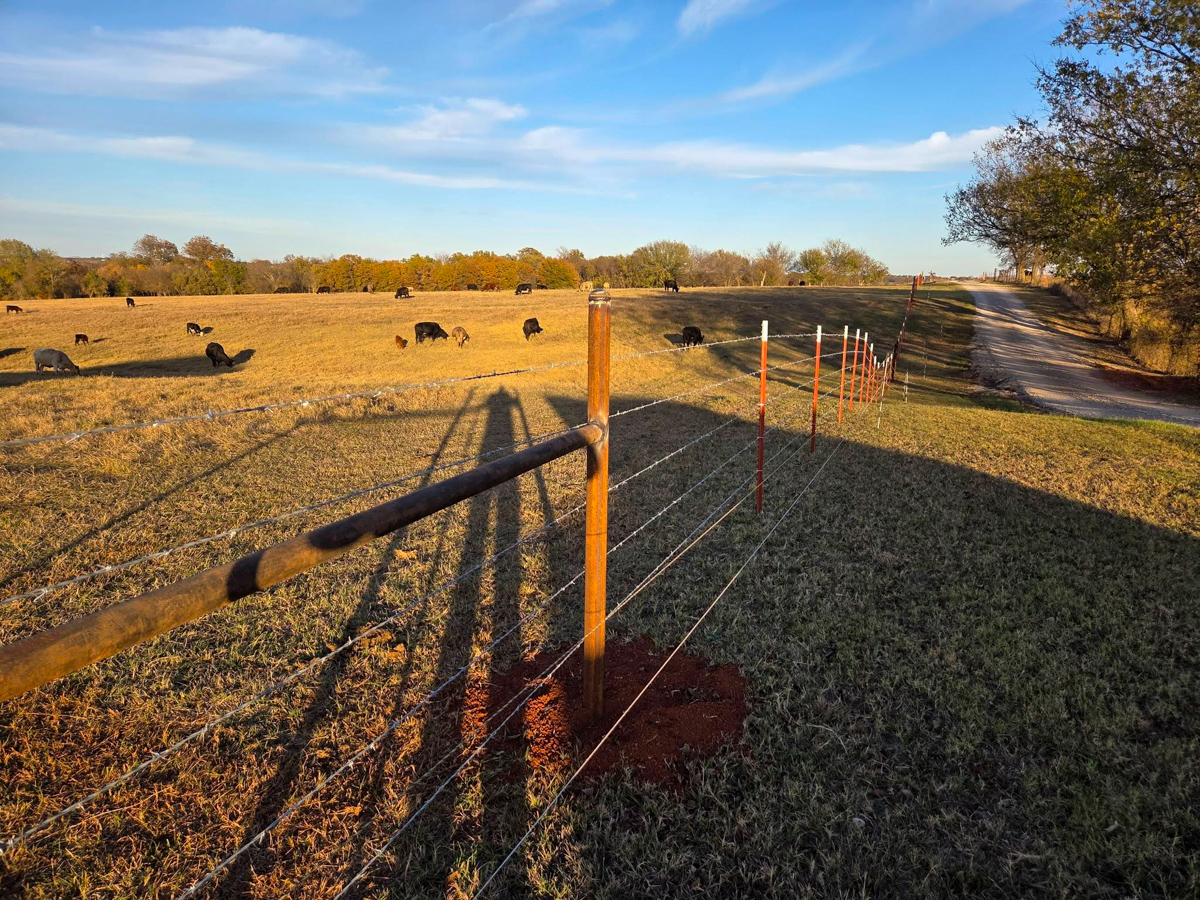 There’s no single universal number here, since so much depends on soil, drainage, material, and how exposed a particular section of fence is to weather. That said, a post that’s set at an appropriate depth for the property, in soil that’s been properly assessed, should hold steady through normal seasonal ground movement for many years without shifting or leaning.
Posts that fail early are far more often a result of shallow setting or a mismatch between the method used and the actual soil conditions than a material defect. This is part of why we spend time assessing each property individually rather than treating every yard the same way.
Maintenance That Supports Long-Term Post Stability
Once your fence is installed, a few simple habits help protect the work that went into setting the posts correctly:
- Keep an eye on drainage near your fence line, especially after heavy rain, and address any standing water that consistently collects near a post
- Avoid piling soil, mulch, or landscaping material directly against wood posts, since trapped moisture accelerates wear
- Check gates periodically for dragging or sticking, which can be an early sign of post movement worth addressing before it gets worse
- Reach out for an inspection if you notice a section leaning or shifting, rather than waiting to see if it corrects itself
Questions Worth Asking Any Fence Installer
Whether you work with us or someone else, post setting is worth asking about directly rather than assuming every quote handles it the same way. A few questions worth raising during any estimate:
- How deep will the posts be set, and does that depth account for my specific soil type?
- What method will be used, and why is it a good fit for my property?
- Will gate posts or corner posts get any additional reinforcement, given the extra load they carry?
- What warranty coverage applies if a post shifts or a section leans after installation?
A contractor who can answer these clearly, and who tailors the answer to your property rather than giving a generic response, is generally a good sign that post setting is being taken seriously. It’s a fair question to ask regardless of who you’re working with, and a straightforward one for any installer who’s actually assessing your property rather than quoting a template price over the phone.
Signs an Existing Fence May Have Post Issues
If you already have a fence and you’re wondering whether post setting might become a problem down the road, a few signs are worth watching for:
- A section that leans more than it used to, especially after a wet or dry stretch
- Gates that have started to drag, stick, or no longer close flush
- Visible gaps forming between the post and the ground on one side
- Boards or panels that have shifted out of alignment along one run
Any of these can be early indicators that the posts underneath aren’t holding as well as they should. If you’re noticing these signs, our fence repair team can take a look and let you know what’s actually going on before it turns into a bigger, more expensive issue down the road.
What This Means for Gates and Load-Bearing Sections
Gate posts and corner posts carry more stress than a standard line post because they support the weight and constant motion of a gate, or they’re absorbing tension from two directions where fence lines meet. These posts benefit from extra attention during installation, since a gate that starts to sag or drag is often a post issue rather than a hardware problem. If you’re planning a project that includes gates, it’s worth asking specifically how those posts will be handled. Our custom gates and automatic openers page has more on how we approach gate installation as part of a new or existing fence.
What to Take Away From This
Post setting is one of those details that’s invisible once a fence is finished, but it has an outsized effect on how well that fence holds up over the years. A few things worth remembering:
- Depth and setting method both affect how well a post resists movement over time
- Oklahoma’s clay soil and seasonal moisture swings add extra stress that not every region deals with
- The right method depends on your specific soil, drainage, and site conditions, not a one-size-fits-all approach
- Gate posts and corner posts deserve extra attention given the load they carry
Understanding this ahead of time helps you ask better questions and set realistic expectations for how your fence should perform for years, not just for the first season.
Ready to Talk Through Your Project?
If you’re planning a new fence and want to understand how post setting would be approached on your specific property, we’re happy to walk you through it during a free estimate. We’ll assess your soil, drainage, and site conditions in person and explain exactly what we’d recommend and why. Request a free estimate today, and if you’re curious about material and pricing details too, our wood fence cost guide is a good place to start. We serve homeowners and businesses throughout Chickasha and the surrounding area, and we’re glad to answer any questions about your specific yard.
Ready for an expert opinion? Get in touch today!
Ready to build the fence you’ve been picturing? Get your free estimate today, usually within a day or two of your first call.
Like this article? Spread the word!
Related Posts
How Long Does Fence Installation Take?
How long does fence installation actually take? See the full process, start to finish,…

How Much Does a Wood Privacy Fence Cost in Oklahoma?
Wondering what a wood privacy fence costs in Oklahoma? See what actually drives pricing,…
What Does Our 1-Year Craftsmanship Warranty Cover?
What does our 1-year craftsmanship warranty actually cover? Learn the details, then…